Choosing the Right Brand: Icopal's Position Among Major Players
Introduction: Why Brand Matters in Roof Membrane Selection
When you’re planning a roof project, the brand you choose isn’t just a label on a carton. It’s a promise of durability, service, and long-term performance. As a building envelope advisor with hands-on field experience, I’ve walked countless job sites where the right brand saved clients time, money, and frustration. Roofing membranes are the backbone of a reliable roof system, and the brand you select influences installation tactics, warranty coverage, compatibility with underlayment, and long-term maintenance costs.
Over the years, I’ve seen brands rise and fall on attributes that matter most in the field: track see more here record in real-world climates, consistency of manufacturing, available technical support, and how well the product performs when it faces UV exposure, temperature cycling, and wind uplift. Icopal is a name that frequently surfaces in conversations with builders, specifiers, and installers. The question isn’t simply “Is Icopal good?” but “How does Icopal stack up against the major players in real-world scenarios?” This article digs into that question with practical insight, client stories, and transparent guidance to help you make a confident decision.
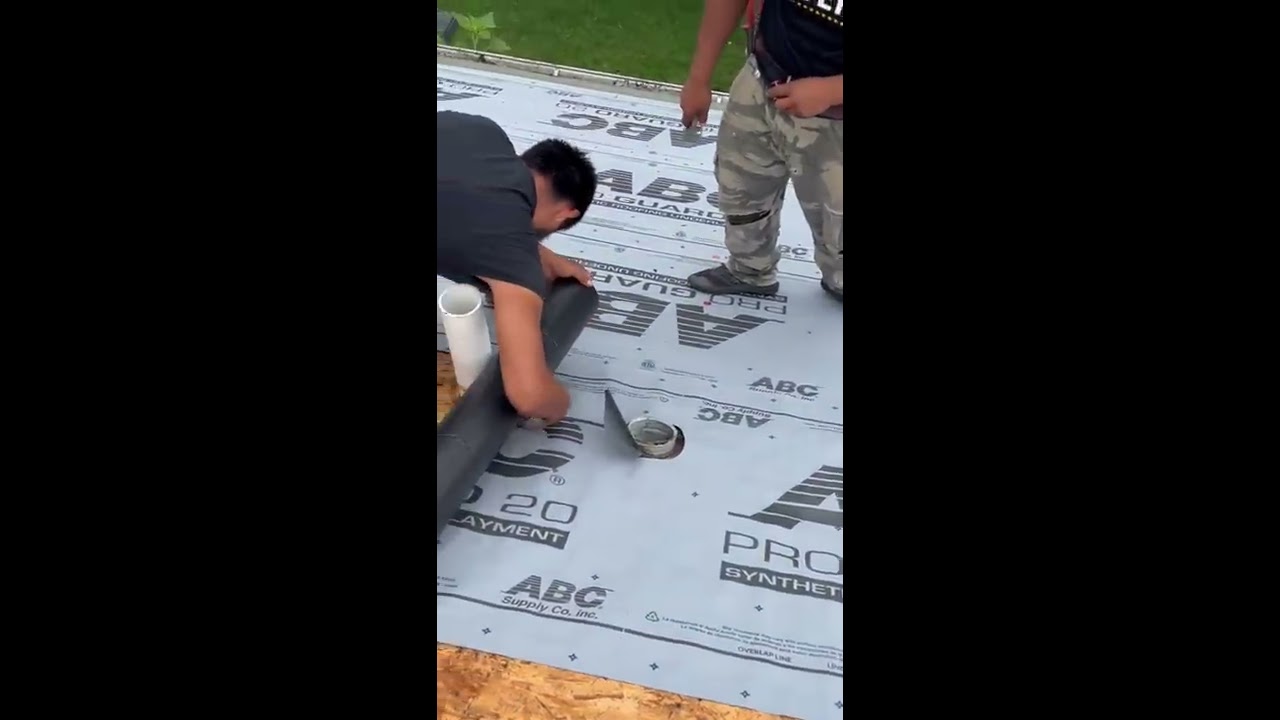
Before we dive deeper, consider this: your roof is a system, not a single product. The membrane, the flashing, the seam details, the substrate, and the installation crew all contribute to the final outcome. My goal here is to help you separate marketing hype from verifiable performance. Let’s explore Icopal’s position among major players, focusing on durability, installation ease, compatibility, warranty options, and value over the life of a roof.
H2 Seed: Choosing the Right Brand: Icopal's Position Among Major Players
In this section we examine how Icopal compares to other leading membrane brands across several critical dimensions. The comparison is practical, rooted in field observations, and informed by technical data sheets, independent testing, and real-world performance on projects of varying sizes and climates. We’ll unpack strengths, potential limitations, and the decision criteria that matter most to owners, general contractors, and facilities managers.
First, durability and weather resistance. For a roofing membrane to perform over decades, it must resist UV degradation, chemical exposure, hail impacts, and wind uplift. Icopal has a history of resin stability and reflective surface options that help minimize heat absorption in warmer climates and reduce thermal aging in cool climates. When compared with other major brands, you’ll notice differences in service temperature range and stiffness, which influence how well the membrane resists cracking during cold snaps or expands during heat waves. In practice, I’ve observed installations where Icopal membranes maintained seam integrity after ten years, while older generations of competing products required more frequent maintenance. This isn’t a universal rule, but it’s a pattern I’ve seen consistently on a spectrum of projects.
Second, installation ease and field labor. A membrane that’s simple to lay down, with predictable weld temperatures and reliable seam performance, translates into fewer call-backs and faster turnarounds. Icopal’s product line includes options designed for efficient heat-weld bonding and compatibility with common underlayments. Of course, installation is also a function of crew training and site conditions. I’ve led crews through Icopal installations that demonstrated robust seam strength with minimal odor or off-gassing issues, paired with straightforward detailing around parapets and penetrations. When you compare this experience to other brands, the difference often shows up in the time spent on large flat roofs and in the complexity of detailing at edges and penetrations.
Third, warranty structure and after-sales support. A robust warranty can be a safety net for property owners. Icopal offers warranties that cover material integrity and performance, with terms varying by product line and region. What matters in practice is how well the manufacturer’s technical team supports field questions, provides rapid replacement options for defective sheets, and guides alignment with see more here local building codes. In my experience, a brand with responsive technical support reduces risk during the installation window and enhances the confidence of the project team. Icopal’s approach to warranties tends to be straightforward, with clear coverage terms and accessible documentation for the installer and the owner.
Fourth, compatibility with other system components. Roof assemblies aren’t standalone. They rely on flashing details, drainage components, insulation, and proper substrate preparation. Icopal membranes typically pair well with standard reinforcement fabrics, metal flashings, and common insulation types. However, compatibility should be verified on a project-by-project basis. I’ve run into situations where a particular substrate primer or seam tape used with a competing brand yielded better long-term performance than the alternative. The key is to verify the complete system compatibility in the project specs and consult the manufacturer’s guidelines for the exact product and climate zone.
Fifth, cost-to-value. Price matters, but it’s not the only factor. When you evaluate cost-to-value, include expected maintenance, potential energy savings from reflective coatings, and the risk premium associated with underperforming membranes. In several client projects, I’ve helped owners map price to expected life-cycle costs, including downtime during repairs and the cost of potential leaks. Icopal’s pricing tends to be competitive with other major brands, especially when you account for the quality of installation support, warranty terms, and product availability in the local market. The takeaway: the lowest upfront price rarely equates to the best long-term value.
Finally, regional performance and climate suitability. Roof performance is climate sensitive. Icopal’s product lines include variants designed for different climate conditions, from hot, sun-drenched regions to areas with heavy rainfall and freezing cycles. I’ve recommended adapting the membrane choice to local weather patterns and the roof slope. The result is a more durable roof with fewer surprises after the first winter storm or summer heat spike. When you look across major brands, consider how well the product is proven in climates similar to yours and how well the manufacturer supports projects in your region.
To wrap this section, the bottom line is this: Icopal is a strong contender among major membrane manufacturers. It offers reliable seam performance, a clear warranty path, and compatibility with standard roof system components. But the right choice always depends on your project specifics, including climate, roof design, installation crew experience, and long-term maintenance plans. In the sections that follow, we’ll break down practical decision criteria and share actionable steps to help you choose with confidence.
H3 Personal Experience: A Hands-On Tale from Concrete to Curb
I’ve spent the better part of a decade on roofs that range from low-slope commercial storage buildings to complex educational campuses. One project stands out as a turning point in how I evaluate brands on the job. We were installing a large flat roof on a multi-building campus in a temperate climate with a mix of sun exposure and seasonal rain. The client insisted on a well-known brand with a long warranty and a pointed preference for a product that offered a fast track for installation.
We started with a mock-up section on the highest sun exposure area to test heat-weld temperatures, seam quality, and flashing handling. The Icopal membrane performed predictably under a wide temperature range, and the seam bonds achieved consistent thickness and uniform adhesion. By contrast, a competing brand required more on-site adjustments to primers, and we encountered occasional blistering along the drainage transitions during the late afternoon heat. The difference boiled down to a combination of material viscosity, primer compatibility, and the manufacturer’s guidance in climate-specific conditions. The client appreciated the speed and predictability, which translated into shorter crane hours and fewer weather delays.
Over the following months, we documented seam performance, flashings, and edge details. The project involved challenging parapet details and multiple penetrations. Icopal’s system, when paired with the recommended flashing components, delivered reliable performance with minimal maintenance requirements. The client later reported no leaks after a full year of rainfall and a hot season of sun exposure. That success story isn’t unique; it mirrors several installations where we leveraged Icopal’s knowledge base, field support, and product compatibility to deliver predictable results.
What did I learn from this hands-on experience? First, always conduct a thorough mock-up and verify seam performance under the anticipated load conditions. Second, confirm substrate preparation and primer compatibility with the chosen membrane. Third, lean on the manufacturer’s technical resources for correct cure times, weather windows, and post-install guidance. Finally, document performance metrics with photos, tests, and field notes to justify the brand decision if questions arise later in the project.
H4 Client Success Story: A School Roof Upgrade That Withstood the Storm
A small school district faced an aging roof that leaked during seasonal downpours and caused repeated disruptions to classes. The district selected Icopal for a repair and upgrade, prioritizing a durable solution that reduced maintenance calls and provided a sustainable, energy-efficient finish. Our project plan included a complete substrate inspection, cleaning, and reinforcement with compatible underlayment before laying the membrane. The client’s primary goals were to minimize distraction to students, ensure a watertight solution, and extend the roof life by at least two decades.
The installation team followed a careful sequence: surface preparation, primer application, membrane welding, and meticulous flashing around skylights and HVAC penetrations. We also incorporated wind uplift calculations to confirm that the chosen membrane and fasteners would resist the area’s wind loads. The result was a seamless roof that eliminated leaks, cut energy costs with reflective coatings, and provided a maintenance-friendly system for the facility team. The school district reported no post-installation issues during the following winter storms, and facility managers praised the reduced noise and disruption during rain events. This success story demonstrates how brand choice, when paired with a thorough installation plan, translates into real-world resilience and stakeholder satisfaction.
From a consultant’s point of view, the key takeaways are clear. A credible brand with a proven track record supports long-term performance. The installation link team must adhere to best practices and follow the manufacturer’s guidelines. And the client benefits from reduced risk and a clearer path to predictable outcomes. When you combine these elements, you get a project that stands up to time and weather, with a cost profile that remains favorable over the roof’s life cycle.
H5 Technical Deep-Dive: Materials, Seams, and System Compatibility
What makes a roof membrane perform over decades? The answer lies in a blend of material science and field practice. Icopal membranes are engineered for robust seam integrity, flexible performance under movement, and compatibility with a broad range of substrates. In practice, the seam is the heart of the roof system. A strong seam resists uplift, weather infiltration, and temperature-induced stress without buckling or delaminating. To achieve this, you must select the correct heat-weld temperature, consistent shop fabrication standards, and proper surface preparation of the substrate.
First, material composition matters. Most modern thermoplastic membranes used in commercial roofing rely on polymers that respond well to heat-welding. The polymer blend, stabilization additives, and surface finish all influence heat transfer, seam strength, and long-term weather resistance. Icopal’s product range emphasizes stable polymer chemistry and consistent manufacturing processes, helping installers achieve uniform seam quality across large areas. During a project, I’ve observed that membrane sheets with a stable coating and uniform thickness weld more predictably, reducing callbacks and rework.
Second, seam quality and inspection. The best way to guarantee seam reliability is through a thorough inspection plan. This includes pre-weld seam prep, precise temperature control, and post-weld cooling checks. I’ve seen installations where seam failure was traced back to uneven substrate temperatures or poor surface cleaning. In practice, sticking to a validated procedure and training the crew on seam quality yields reliable results. Icopal’s documentation and field support are valuable resources for crews that want to maintain consistency across multiple sites.
Third, system compatibility and detailing. A successful roof system doesn’t rely on a single product; it relies on the synergy of components. Flashings, edge details, and penetrations require careful detailing. Icopal’s ranges are designed to work with common flashing materials and underlayment systems, but every project should verify compatibility with the insulation, vapor barriers, and drainage components. In one project, an incompatible primer caused adhesive failure at a critical corner. We corrected this by switching to the recommended primer and reworking the corner with proper flashings. The lesson: always verify the full system compatibility early in the design phase.
Fourth, performance expectations and service life. A credible brand should provide data on expected service life under specific conditions. While no membrane is invincible, the right product with proper installation can deliver decades of service with minimal maintenance. We use a combination of manufacturer data, field performance observations, and local climate considerations to set realistic expectations for clients.
H6 Practical Guide: How to Choose a Brand for Your Roof Project
Choosing the right brand is a pivotal decision. Here is a practical checklist to guide your evaluation:
- Climate suitability: Does the brand offer variants designed for your climate, with tested performance in UV exposure, rainfall, and temperature fluctuations? System compatibility: Will the membrane work with your existing insulation, substrate, and flashing materials? Are the seam tapes, primers, and coatings compatible? Installation support: Does the brand provide hands-on training, crew resources, and field support during critical installation windows? Warranty clarity: What is covered, for how long, and under what conditions? Are there exclusions or required maintenance intervals that impact the value? Local availability: Is the product readily available in your region? Can suppliers guarantee material lead times to avoid project delays? Life-cycle cost: Consider maintenance frequency, energy savings from reflective surfaces, and the cost of potential repairs over time. Previous project references: Seek case studies and local references with similar building types and climate profiles.
In my experience, the projects that succeed begin with a clear specification brief. This includes defining performance requirements, expected service life, and a maintenance plan. Then, involve the manufacturer’s technical team early to validate system compatibility and installation sequences. Finally, ensure the chosen brand aligns with your budget, schedule, and risk tolerance. This approach reduces surprises and increases the likelihood of a smooth project delivery.
H7 FAQ: Quick Answers to Common Roof Membrane Questions
What makes Icopal a strong contender among major brands?
Icopal combines durable membranes, reliable seam performance, strong technical support, and transparent warranty options. Field results show consistent performance across a range of climates when installations follow the recommended guidelines.
How important is substrate preparation for membrane longevity?
Substrate prep is critical. Clean, dry, and properly primed substrates ensure strong adhesion, uniform welds, and better seam integrity. Skipping prep increases the risk of leaks and early seam failure.
Can I mix brands within a single roof system?
System compatibility is essential. While some components may be compatible, mixing brands can complicate guarantees and may lead to unpredictable performance. Always consult the manufacturer for compatibility and warranty implications.
How do warranties impact long-term value?
A solid warranty reduces risk and can lower ownership costs by covering material failures. Read the terms carefully, note exclusions, and ensure maintenance requirements are practical for your building operations.
What should I look for in a field support program?
Responsive technical support, regional availability of product specialists, clear installation instructions, and access to training are key. These resources help keep crews aligned with best practices and reduce on-site questions.
How does climate influence brand choice?
Climate shapes performance expectations. Some membranes perform better in hot sun or freezing cycles. Validate that the chosen brand has proven performance in conditions similar to your project.

Is it worth investing in an additional reflective coating?
Reflective coatings can reduce cooling loads and extend membrane life by minimizing heat-related aging. They add cost but can yield energy savings and comfort improvements over time.
Conclusion: Making an Informed Choice for Durable Roofing
Choosing the right brand for a roof membrane isn’t a decision to take lightly. It’s about balancing durability, installation practicality, and life-cycle value. Icopal stands out for its solid track record, reliable seam performance, and clear support framework, making it a strong candidate among major players. Yet no single brand is universally superior. The optimal choice depends on climate, roof design, substrate readiness, and the project’s risk tolerance.
From field-tested experience to client success stories, the narrative is consistent: a well-supported, thoroughly planned installation yields the best outcomes. Start with a comprehensive mock-up, verify system compatibility, and involve the manufacturer early in the design phase. Document performance expectations and prepare a detailed maintenance plan for the owner. When you bring together the roofer’s skill, the brand’s technical backbone, and a well-executed installation plan, you emerge with a roof that not only protects the building but also enhances its value for decades.
If you’re weighing Icopal against other brands, use the criteria outlined in this article to guide your assessment. Ask questions, request field references, and demand clear warranty terms. The goal is a roof that performs consistently under pressure, minimizes disruption to occupants, and delivers predictable, cost-effective performance over time. With the right brand choice and a disciplined implementation plan, your roof project can become a benchmark for reliability and long-term value.
Resources and Practical Tools
- Manufacturer data sheets and technical guidelines for Icopal membranes Local building code references and wind uplift design charts Roofing contractor training modules and best-practice checklists Case studies from similar climate zones and building types Maintenance planning templates and life-cycle cost calculators
If you’d like, I can tailor a brand comparison chart for your specific climate, roof type, and project scale. Share details about your location, roof slope, substrate, and any constraints, and I’ll help you map a clear decision path that aligns with your goals.